
You're not lazy. Your brain is damaged.
- You grab your phone "for a second" and lose hours.
- You chase fast dopamine all day, and real life feels empty without it.
- You know exactly what you should be doing, but you keep procrastinating.
That's not a discipline problem, it's an overstimulated brain that needs repairing fast, before more damage is done. Take the free quiz to see how addicted you are and get a personalized plan on how to fix it.

DRAG THE SLIDER · 14 DAYS APART
At first it's just a "habit". Later, it destroys your brain, health and future.
This exact loop runs millions of people's days. And you're one of them.
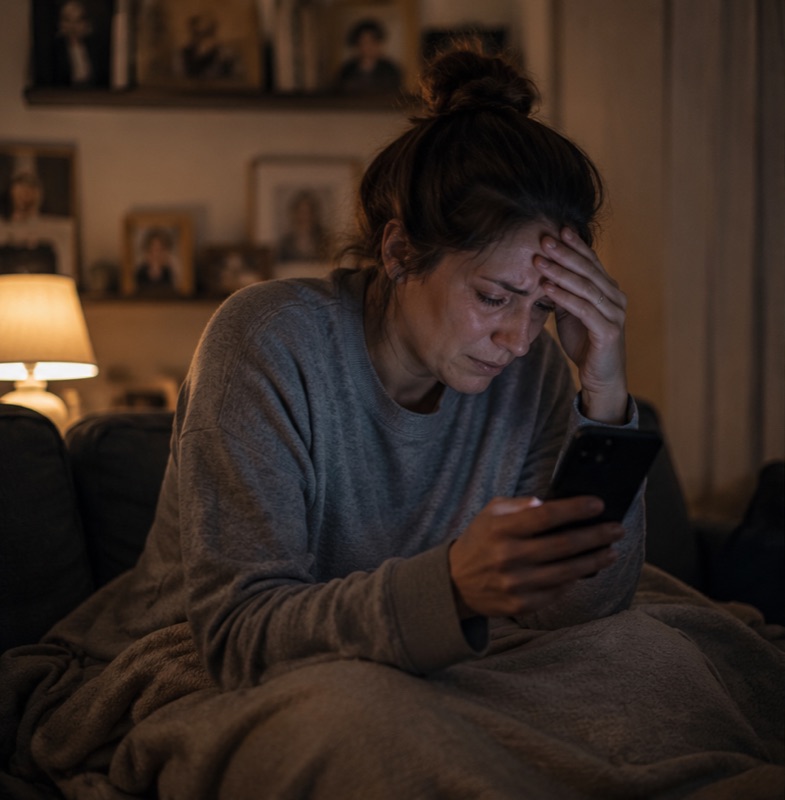
The day starts with the phone in hand: overslept, lazy, zero motivation
Alarm off, feed open, twenty minutes gone before your feet touch the floor. You haven't done anything yet, but your brain already got its biggest dopamine hit of the day. Everything after this feels off.
Important things get procrastinated
You just can't get yourself to do tasks, or even start them. Each time, your hand drifts back to the phone like it has a mind of its own. Busy all day, nothing moved, and you can't explain where the hours went.
Health quietly pays the bill
Gym skipped again, barely any movement all day. Cravings get patched with junk food and sugar, because the brain wants another quick hit. The body keeps the score, and it compounds.
Tomorrow lives under promises, again
Eyes burning, "one more video" becomes 2 AM. You fall asleep angry at yourself, wake up tired, and reach for the phone before the alarm even stops. The loop closes, and starts over.
If that reads like your yesterday,
The quiet signs your dopamine receptors are fried
Be honest. Tap every line that sounds like you.
280,000+ people have already healed their brains

"Deleted the apps a hundred times before. This was the first time my brain stopped asking for them. Day 12 and my mornings are mine again."

"Four days into the reset I read a book for an hour. By day seven I actually wanted to work again."

"Screen time down from 7 hours to under 3 in one week. My kids noticed before I did."

"Was failing two classes because of 3am scrolling. Two weeks in, I sleep like a normal human again."

"I thought this was just who I'd become. Turns out I needed a reset, not more willpower."

"Read a whole book last weekend for the first time in four years. That sold me."
Stop poisoning your brain. Start fixing it.
Every week you wait, the loop digs deeper. Answer a few honest questions and get a plan that's 100% personalized to you.
Fully personalized · Science-backed · Trusted by 280,000+